How to Build a Sponsorship Package That Sponsors Actually Want


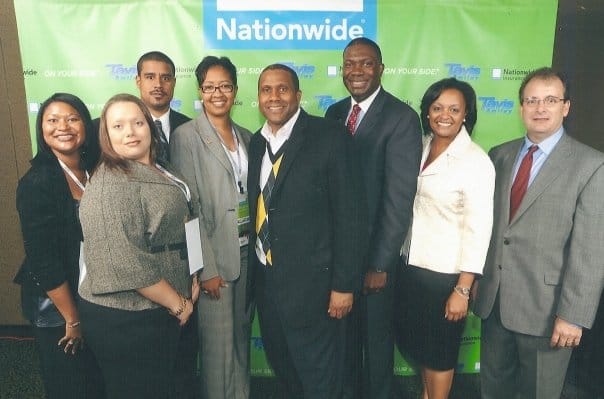
During my years in corporate leadership at Nationwide Insurance, I managed a multi-million dollar marketing budget across five states. My role included local marketing, events, sponsorships, grant approvals through the Nationwide Foundation, and speaking engagements. I reviewed thousands of pitch decks and sponsorship proposals.
I wasn't writing checks based on need. I was investing in alignment, outcomes, and relationships.
That perspective changed how I approach sponsorships today. When you're the one holding the budget, you see what works and what wastes everyone's time.
What you need to know before you pitch
Before we get into building your package, understand how corporate decision-makers think:
Build the relationship first. I was far more likely to approve funding for someone I'd been working with than a stranger sending cold emails. Relationships create trust. Trust creates yes.
Deliver what you promise, then prove it. If you received funding, complete every commitment in your sponsorship agreement and send a detailed recap with photos, metrics, and outcomes. This keeps you at the top of the stack when renewal conversations happen.
Respect their time. Don't ask for a lunch meeting to discuss your project. I didn't have time. A focused 20-minute Zoom call is sufficient. Come prepared with a clear ask and a concise pitch deck.
Show up where they show up. Corporate sponsors attend events in your community. Network intentionally. Be visible. Build familiarity before you need funding.
Think long-term. Invite the decision-maker to your event this year as a guest. Let them experience your work firsthand. Then approach them about sponsorship for next year. This creates context and comfort.
Do your homework. Always research the company's values, community involvement priorities, and existing partnerships. Understand how your event aligns with what they're already doing. Generic pitches get ignored. Strategic alignment gets funded.
A strong sponsorship package answers one question fast: What does the sponsor get in return?
Many proposals fail because they focus on the organizer's needs instead of the sponsor's goals. Sponsors invest for outcomes—visibility, access, credibility, revenue alignment. Your package should reflect those priorities.
Now let's do a deep dive into how to build a sponsorship package that actually gets funded.
A strong sponsorship package answers one question fast: What does the sponsor get in return? WIIFM - what's in it for me?
Many sponsorship decks fail because they focus on the organizer instead of the sponsor. Sponsors invest for outcomes - visibility, access, credibility, revenue alignment. Your package should reflect those priorities.
Start with a clear sponsorship objective
Before building the package, define the purpose:
· Brand awareness
· Lead generation
· Community alignment
· Product adoption
· Thought leadership
· Employee engagement
· ESG and corporate social responsibility goals
Each objective shapes the structure. A bank supporting financial education wants different outcomes than a consumer brand backing a festival.
Define your audience with precision
Sponsors care about who they reach.
Include:
· Audience size
· Demographics (age, gender, education level)
· Location and geographic reach
· Income range
· Industry or interests
· Decision-making power
· Buying behaviors and brand affinities
Use real numbers. Example: 1,200 attendees, 68 percent women, median household income $85,000, 42 percent business owners, 78 percent make purchasing decisions for their households or companies.
If you lack data, collect it before pitching. Survey past attendees or participants.
Research potential sponsors before outreach
Don't build a generic package and blast it everywhere.
Study your targets:
· Review their current sponsorships
· Identify their marketing priorities from annual reports or press releases
· Note their community involvement history
· Understand their fiscal year and budget cycles
· Find the right contact (not just "marketing department")
Customize your approach for each prospect. Reference their brand values and recent initiatives in your pitch. Use their logo on EACH page of the deck!
Build a concise pitch deck first
Before sending your full sponsorship package, create a 5-8 slide pitch deck.
This is your leave-behind or initial email attachment.
Include:
· Event/program overview (one slide)
· Audience demographics and reach (one slide)
· Sponsorship objectives and outcomes (one slide)
· Tiered sponsorship levels with pricing (one to two slides)
· Past sponsor results or testimonials (one slide)
· Timeline and next steps (one slide)
What NOT to include in the pitch deck:
· Sponsor logos from previous years
· Lengthy sponsor lists
· Detailed partner histories
Why? You're asking companies to invest. Showing competitor logos or a crowded sponsor roster can backfire:
· It signals the opportunity isn't exclusive
· It may include their direct competitors
· It makes them one of many, not a valued partner • It can trigger "everyone's already involved" fatigue
When to show previous sponsor logos:
In your detailed sponsorship package (after initial interest)
· On your website sponsor page (as social proof for public consumption)
· In post-event reports (showing ecosystem and validation)
· When specifically asked "who else has sponsored?"
Exception: If you have a major, prestigious sponsor that adds credibility (Fortune 500 company, well-known brand, government agency), you might include ONE logo with language like: "Proud to have partnered with [Company]" - but only if it strengthens your positioning without cluttering the pitch.
The pitch deck should make them feel like they're being invited to an exclusive opportunity, not joining a crowded field.
Outline tangible sponsor assets
This section forms the backbone of the full package.
Core assets include:
· Logo placement (specify size, location, duration)
· Stage mentions and speaking acknowledgments
· Email exposure across your subscriber base
· Social media inclusion with tagging and engagement
· On-site signage and physical presence
· Website placement with backlinks
· Printed materials (programs, tickets, collateral)
· Press release and media mentions
Be specific. Avoid vague promises. State where the logo appears, how often, and for how long.
Example: Logo included in 6 email campaigns sent to 12,000 subscribers with a 32 percent open rate and 2,800 average click-throughs.
Add experiential value
Modern sponsors want interaction.
High-value experiential assets include:
· Speaking opportunities (keynotes, panels, workshops)
· Product demonstrations or sampling
· Branded lounges or hospitality suites
· VIP networking access
· Meet-and-greets with influencers or speakers
· Behind-the-scenes experiences
· Photo opportunities with branded backdrops
Tie each experience to audience behavior. Example: Workshop access allows direct engagement with 40 qualified buyers in a 90-minute session.
Include digital amplification
Most sponsor value now lives online.
Offer:
· Dedicated social posts across all platforms
· Story features and takeovers
· Reels or short-form video mentions
· Blog features and interviews
· Podcast mentions or sponsored episodes
· Post-event recap content
· Email list exposure (with opt-in compliance)
· Website banner ads or featured placement
Include past performance metrics. Example: Average reel reach 18,000, engagement rate 8.2 percent, website monthly traffic 42,000 unique visitors.
Provide content creation opportunities
Sponsors increasingly want content they can repurpose.
Offer:
· Professional photos and video footage for their use
· Testimonials from participants about sponsor impact
· Case studies for their marketing materials
· Co-branded content they can share
· Rights to use event footage in their advertising
Specify usage rights and duration clearly.
Build tiered sponsorship levels
Tiering creates clarity and urgency.
Common tiers:
· Title or Presenting Sponsor
· Platinum
· Gold
· Silver
· Bronze
· Community Partner or In-Kind
Each tier should scale clearly in value and exposure. Avoid filler benefits. Each tier must feel intentional.
Example progression:
Silver receives logo placement, two social mentions, and program listing. Gold adds email inclusion, on-site booth space, and five social features. Platinum adds speaking time, exclusive category rights, and VIP hospitality. Title sponsor receives naming rights, premier logo placement everywhere, keynote opportunity, and first right of renewal.
Include category exclusivity
Exclusivity increases perceived value and reduces conflict.
Example: One bank, one law firm, one insurance provider, one beverage brand.
This reduces sponsor competition and strengthens commitment. Charge premium pricing for exclusive rights.
Offer activation support
Help sponsors maximize their investment.
Provide:
· Pre-event promotional assets (logos, graphics, social copy)
· Coordination meetings to plan their activation
· On-site staff support for booth or experience setup
· Technical support for presentations
· Dedicated liaison throughout the sponsorship
Make it easy for them to succeed.
Create a sponsorship timeline
Outline the full sponsor journey:
· Commitment deadline
· Payment schedule (deposit and final payment dates)
· Asset submission deadlines (logos, bios, materials)
· Promotion begins date
· Event or program dates
· Post-event reporting delivery date
· Renewal discussion period
Clear timelines reduce confusion and build professionalism.
Price based on value, not need
Pricing fails when built from budget gaps.
Instead, price from exposure and access.
Calculate:
· Cost per impression (compare to digital ad rates)
· Cost per lead or conversion
· Comparable advertising spend in your market
· Industry benchmarks for similar events
· Lifetime value of sponsor relationship
If a sponsor receives 100,000 targeted impressions worth $15 CPM in paid advertising, that's $1,500 in media value alone - before experiential benefits.
Consider offering payment plans for larger sponsorships to reduce barriers.
Add measurement and reporting
Sponsors expect accountability.
Commit to tracking:
· Total attendance or participation numbers
· Demographic breakdowns
· Social media metrics (reach, engagement, mentions)
· Email open rates and click-throughs
· Website traffic generated
· Lead capture totals with contact information (with permission)
· Media impressions and PR value
· Sponsor booth traffic or interaction data
· Post-event survey results
Deliver a professional post-event report within 14-30 days. Include photos, metrics, testimonials, and recommendations for future partnership growth.

Include success stories and proof points
Add credibility with evidence.
Feature:
· Testimonials from past sponsors
· Case studies showing sponsor ROI
· Year-over-year sponsor retention rate
· Media coverage from previous events
· Growth metrics (attendance increases, expanded reach)
Social proof matters. If 80 percent of your sponsors return annually, say that.
Address legal and logistical details
Include or reference:
· Sponsorship agreement terms
· Cancellation and refund policy
· Insurance requirements
· Liability waivers
· Intellectual property rights
· Force majeure provisions
· Payment terms and late fees
Protect both parties with clear documentation.
Create add-on opportunities
Not every sponsor fits a tier. Offer à la carte options:
· Individual email blast sponsorship
· Single social media campaign
· Specific workshop or session sponsorship
· Award or scholarship naming rights
· Swag bag inclusions
· Charging station or WiFi sponsorship
· Specific program element (lunch, happy hour, gift bags)
This captures smaller budgets and creates upsell opportunities.
Make renewal easy and automatic
Your best prospects are current sponsors.
Build loyalty by:
· Offering early-bird renewal discounts (15-20 percent off)
· Providing first right of refusal for tier upgrades
· Creating multi-year agreements with locked pricing
· Scheduling debrief calls to gather feedback
· Maintaining year-round communication, not just pre-event
Treat sponsors as long-term partners, not one-time transactions.
End with a strong call to action
Make next steps easy and create urgency.
Example:
"Sponsorships close March 15, 2026. We're limiting this to three Platinum partners to ensure maximum impact. To secure your spot, contact Kim Braud at info@xyzcompany.com or schedule a 20-minute discovery call at [calendar link]."
Include multiple contact methods and be specific about deadlines and limitations.
A good sponsorship package sells confidence. It shows you understand your value. It respects the sponsor's goals. It treats sponsorship as a partnership, not a donation.
When built correctly, sponsors don't just return year after year, they increase their investment and become advocates for your work.
The difference between a sponsorship deck that gets ignored and one that gets funded is simple: one focuses on what you need, the other on what they get. Build for them, and they'll invest in you.
If you need help or feedback, feel free to schedule a consultation: https://www.thecouventcollective.com/