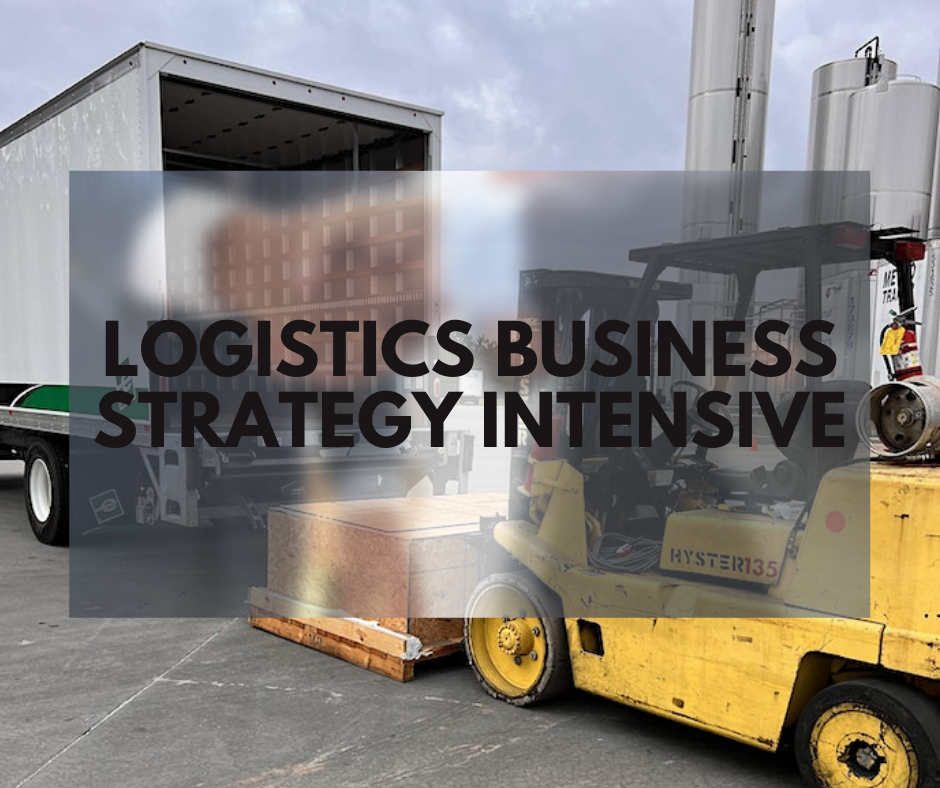
Your Box Truck Is Sitting Idle. Here Is What to Do About It.


Every owner-operator and small fleet manager knows the feeling. The phone gets quiet, the dispatch board clears out, and a perfectly good truck sits in the yard burning nothing but depreciation. Slow periods are part of the business - but letting a box truck collect dust is a choice, not a requirement.
The operators who keep cash flowing through slow seasons are not doing anything magical. They are thinking about their equipment differently. A box truck is not just a delivery vehicle. It is a mobile platform with cargo capacity, a rolling billboard, and a piece of capital that can work in multiple markets. Here is how to put it to work when your primary freight lanes go quiet.
Rent It Out on Peer-to-Peer Platforms
The equipment rental market has gone digital, and box trucks are in demand. Platforms like Fluid Truck, Fetch, and similar peer-to-peer rental services let you list your truck by the hour or day to local businesses and individuals who need a vehicle but do not own one.
Moving households, hauling event equipment, transporting furniture for a staging company - these renters exist in every market, and they are underserved. You set availability windows, pricing, and pickup requirements. The platform handles payment processing and provides liability coverage during the rental period. Your truck earns revenue while you are not touching it.
Insurance note: Before listing, check your commercial auto policy. Some insurers will require a rider for peer-to-peer activity, and the rental platform's coverage may have gaps you need to understand before handing over the keys.
Offer Local Moving Services
Residential and small commercial moving is a straightforward pivot when freight slows down. You already have the truck. Adding moving equipment - furniture pads, dollies, tie-down straps - costs a few hundred dollars and opens up a steady stream of local jobs.
Position this as a labor-plus-truck service rather than a full-service moving company. Two people and a truck for a half-day or full-day rate is a simple, marketable offering. List on TaskRabbit, Craigslist, Facebook Marketplace, and Nextdoor to reach residential customers directly. Local real estate agents and apartment complexes are also worth contacting, as they can become consistent referral sources.
Price it to move quickly. You are not competing with full-service movers on service level - you are competing on speed, availability, and cost for customers who just need a truck and a couple of capable people.
Serve the Junk Removal and Hauling Market
Junk removal is a high-demand, cash-heavy business with low barriers to entry for someone who already has a truck. Homeowners, landlords clearing rental units, estate executors, and small contractors all need hauling services on short notice.
The model is simple: you charge by the load, by volume, or by time. A box truck gives you significant capacity per run, which makes each job profitable without requiring multiple trips. Add debris removal, furniture haul-away, and cleanout services to your offering. Market locally through Google Business Profile and community boards.
Pricing tip: Know your local tipping fees at transfer stations or recycling centers before you price a job. Build that disposal cost into every estimate. Customers expect to pay for hauling and disposal as a combined service.
Partner with Local Retailers for Last-Mile Delivery
Large furniture stores, appliance dealers, and building material suppliers often use third-party drivers for their last-mile delivery routes. During slow periods, you can pick up these delivery contracts on a day-by-day or weekly basis.
Call the operations or logistics manager at local furniture stores, flooring companies, cabinet showrooms, and appliance retailers directly. Many of these businesses have overflow needs they are managing through a patchwork of carriers and will welcome a reliable local option. You bring a capable truck, a clean driving record, and the ability to show up consistently.
White-glove furniture delivery, which includes room placement and packaging removal, commands higher rates than standard curbside drop. If your team can handle it, market that capability specifically.
Provide Mobile Storage Solutions
Businesses moving offices, contractors staging a project site, and event production companies all need temporary storage. A box truck parked on-site serves that function at a fraction of the cost of a portable storage pod rental.
This works especially well for commercial clients. A truck parked at a construction site for a week while materials are being staged solves a real problem. Renovation companies prepping a retail space before a grand opening need somewhere to hold inventory. Event companies setting up a trade show need secure equipment storage the night before.
Charge a flat daily or weekly rate for the truck's use as a stationary storage unit. Keep the keys. Position yourself as available to move the cargo to its final destination when the project is ready.
Become a Courier for Medical, Legal, or Specialty Freight
Medical supply companies, law firms handling document transfers, court systems, and specialty retailers all ship freight that general consumer couriers will not or cannot handle efficiently. These industries need reliability, discretion, and often chain-of-custody documentation.
Box trucks are well-suited for bulk medical supply runs between clinics and distribution centers, large legal document transfers, and specialty retail restocking. These clients tend to have recurring needs and value dependable relationships over the lowest possible rate.
Connect with healthcare logistics coordinators, law firm office managers, and specialty distributors. Offer a professional intake process, clear delivery confirmation, and a single point of contact. That alone will set you apart from the chaos of general freight marketplaces.
Wrap the Truck and Rent Ad Space
If the truck is sitting anyway, it can earn passive income as a billboard. Wrapped vehicles generate thousands of visual impressions per day in urban and suburban markets, and local businesses will pay for that exposure.
Contact local advertisers - restaurants, gyms, service companies, real estate brokers - and offer the exterior of the truck as advertising space for a monthly fee. You retain ownership and operational control. They get moving billboard coverage in the markets you drive through.
Coordinate wrapping and unwrapping costs as part of the rate negotiation. Short-term wraps require vinyl that removes cleanly. Full wraps command higher monthly rates but involve more commitment on both sides.
Host Pop-Up Vending or Food Service
Entrepreneurial operators have converted box trucks into temporary retail space for everything from clothing boutiques to craft fairs to farmers market overflow. The truck becomes a portable storefront.
If you are not in the business of selling goods yourself, consider partnering with a local vendor who needs a mobile unit. You provide the truck and transportation; they run the business and share a percentage of revenue or pay a flat daily rate. Permit requirements vary by city, so confirm local regulations before committing to this model.
When Slow Is Actually a Signal
Consistent idle time on your box truck is worth paying attention to beyond just the immediate revenue fix. It may be telling you that your primary business has a structural gap in its demand cycle that short-term pivots cannot fully address.
Use the slow period to evaluate your route mix, your client concentration, and your pricing. Are you too dependent on a single shipper or a single freight lane? Could you be building a second revenue stream that runs counter-cyclically to your primary business, so that when one slows, the other picks up?
The operators who stay healthy through downturns are usually the ones who built multiple demand channels before they needed them. A quiet week is a reasonable time to start building the next one.
A box truck sitting idle costs you money even when it is not moving. Fuel, insurance, loan payments, and depreciation do not pause because freight slowed down. Every pivot strategy above converts that sunk cost into active revenue. Start with one, build the process, and add channels as your team and equipment allow.
If you need help figuring things out, schedule a consult with us!
© 2026 Published by Evans Cutchmore, an Imprint of The Couvent Collective PBC. All rights reserved.
Kim M. Braud is a strategist, writer, and founder working in the areas of economic power, cultural narrative, and community leadership. With expansive experience across financial services, entrepreneurship, and nonprofit leadership, her writing explores who controls systems, who benefits from them, and who gets left out. Her work centers on economic mobility, institutional accountability, and the stories we inherit, and the ones we choose to dismantle.