What Is IFRA? Your Complete Guide to Fragrance Safety Standards
What is IFRA? It's the International Fragrance Association, setting global safety standards for fragrance ingredients. They ensure your favorite candles are safe by establishing maximum usage levels based on rigorous scientific research into skin sensitivity and environmental impact.

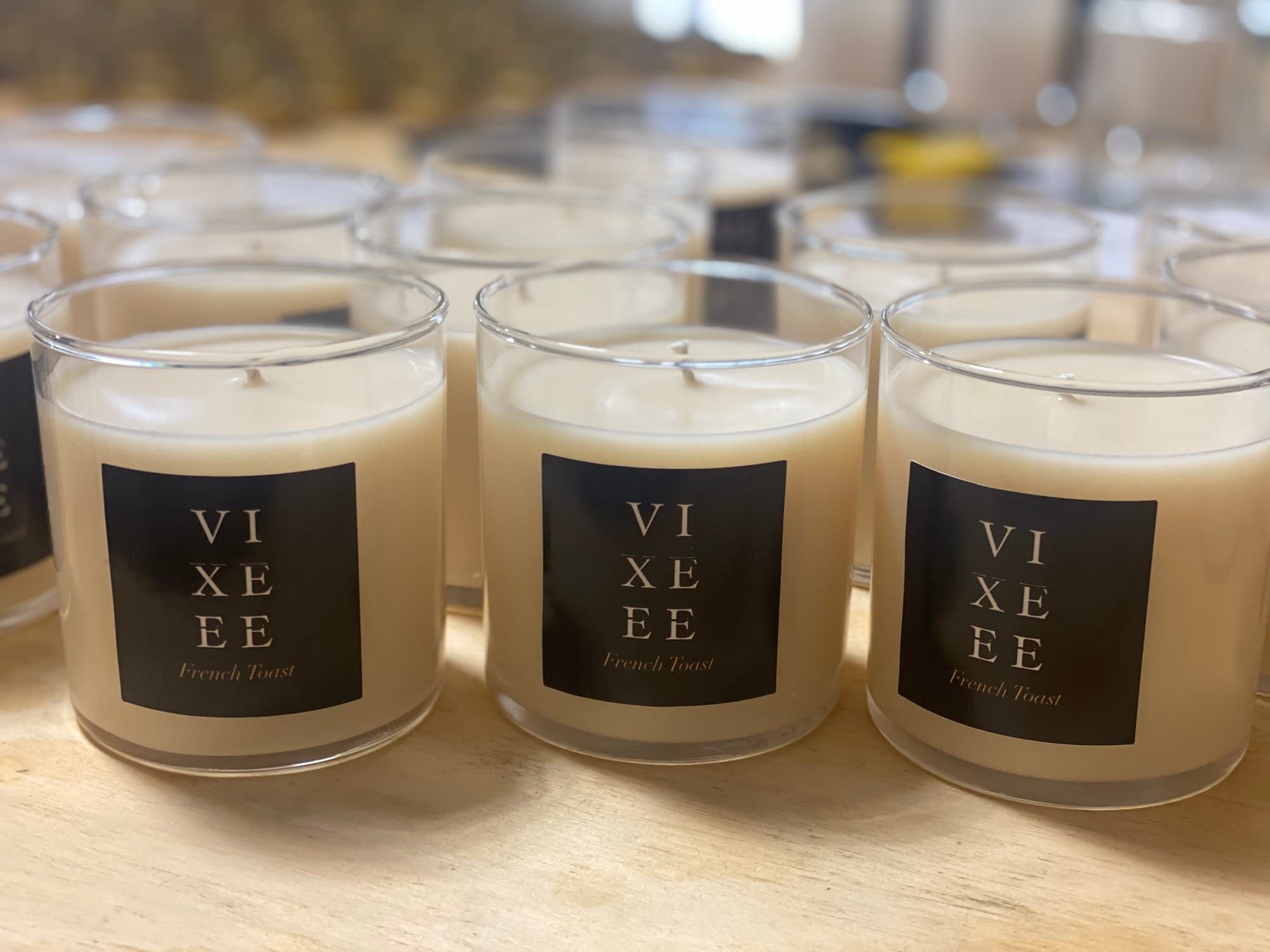
If you've been making candles or shopping for fragrance oils, you've likely encountered the term "IFRA" on certificates, product pages, or in conversations with other makers. But what exactly is IFRA, and why should it matter to you as a candle maker or candle lover? Let's break down everything you need to know about this important organization and its standards.
Understanding IFRA: The Basics
IFRA stands for the International Fragrance Association, a global organization founded in 1973 that represents the fragrance industry worldwide. Their mission is straightforward: to promote the safe use and enjoyment of fragrances across all product types, from perfumes to cleaning products to your favorite scented candles.
Think of IFRA as the fragrance industry's safety watchdog. They work closely with RIFM (the Research Institute for Fragrance Materials), a scientific organization that continuously reviews data on fragrance ingredients. When new research emerges about how certain ingredients interact with our bodies or the environment, IFRA updates its standards accordingly.
The IFRA Standards: Rules That Protect Everyone
The IFRA Standards are a comprehensive set of guidelines that specify safe usage levels for fragrance ingredients across different product types. These standards are based on rigorous scientific research examining various risk factors, including skin irritation, allergic reactions, photo-sensitivity, toxicity, and environmental impact.
Here's what makes IFRA standards particularly sophisticated: they don't just look at direct exposure from one product. They consider aggregate exposure, meaning they account for the fact that you're likely using multiple fragranced products throughout your day, your candle, your lotion, your shampoo, your cleaning products, and more. This holistic approach ensures the standards protect consumers from cumulative exposure risks.
While IFRA compliance isn't technically the law in most countries, it's become the industry standard. Many regulations, particularly in the European Union and UK, are built directly around IFRA guidelines. If you're selling candles commercially, IFRA compliance is essential for customer safety and legal marketability.
How IFRA Categories Work for Candle Makers
IFRA organizes products into 12 main categories based on how people are exposed to the fragrance. Each category has different maximum usage levels for various fragrance ingredients because exposure risks differ dramatically between, say, a face cream and a candle.
For candle makers, you'll primarily work with Category 12, which covers air care products not intended for direct skin contact. This includes candles, wax melts, and similar home fragrance products.
The good news? Most fragrances have a maximum allowable usage of 100% in Category 12, meaning there typically aren't restrictions on the amount of fragrance you can use from a safety standpoint. Your practical limits will be determined by your wax's fragrance load capacity (usually 6-10% for candles) rather than IFRA restrictions.
However, if you also make products like:
- Soap or bath products - you'll reference Category 9
- Reed diffusers - you'll need Category 10A (which often has much stricter limits)
- Body lotions or leave-on products - you'll look at Category 5A
Reading Your IFRA Certificate: A Practical Guide
Every reputable fragrance oil supplier provides an IFRA Certificate of Conformity for their products. This document might look intimidating at first glance, but it's actually quite straightforward once you understand what you're looking at.
An IFRA certificate typically includes:
- The specific fragrance oil name and any identification numbers
- A table listing all 12 IFRA categories
- The maximum allowable usage percentage for each category
- Any specific restrictions or prohibitions
For your candles, simply locate Category 12 on the certificate. If you see "100" or "No Restriction," you're free to use your fragrance at whatever percentage works best for your wax and desired scent throw. If you see a specific percentage listed, that's your maximum safe usage level.
IFRA Amendments: Why Things Change
IFRA periodically releases amendments (updates) to its standards as new research becomes available. These are numbered chronologically; you might hear references to IFRA 49, IFRA 50, or IFRA 51.
Recent amendments have had significant impacts on certain product categories. For example, IFRA 49 moved candles from Category 11 to Category 12 and dramatically changed usage levels for reed diffusers. IFRA 51, released in 2023, introduced new restrictions and lower usage limits across multiple categories.
When a new amendment is published, there's typically a transition period. Manufacturers have time to reformulate products before compliance becomes mandatory. This is why you might occasionally see a favorite fragrance become unavailable or reformulated; it's being updated to meet the latest safety standards.
Why IFRA Matters to You
Whether you're making candles or enjoying them, IFRA standards serve important purposes:
For Makers:
- Protects you from liability by ensuring you're using ingredients safely
- Provides clear guidelines for product formulation
- Builds consumer trust in your brand
- Ensures your products can be sold internationally
- Demonstrates your commitment to safety and quality
For Consumers:
- Reduces risk of allergic reactions and sensitivities
- Ensures products are tested and evaluated by scientific experts
- Provides transparency about fragrance safety
- Protects against harmful levels of potentially problematic ingredients
Common Questions About IFRA
Does IFRA compliance mean a fragrance is completely risk-free? No safety standard can guarantee zero risk for every individual, as people have varying sensitivities. However, IFRA standards are designed to offer protection for the vast majority of the population and significantly reduce potential health risks.
Are natural fragrances exempt from IFRA standards? Absolutely not. Many people assume natural automatically means safe, but some natural ingredients (like certain citrus oils) can cause photo-sensitivity or allergic reactions. IFRA standards apply to both natural and synthetic fragrance components.
What if I want to use more fragrance than the IFRA maximum? Don't. The maximum usage levels are established for safety reasons based on scientific research. Exceeding these levels could create unsafe products and expose you to liability.
How do I know if my fragrance supplier is IFRA compliant? Reputable suppliers provide IFRA certificates for all their fragrances. If a supplier can't or won't provide IFRA documentation, that's a red flag. Always work with established suppliers who prioritize safety and transparency.
IFRA standards represent the fragrance industry's commitment to safety, transparency, and continuous improvement. While the certificates and categories might seem complicated at first, they're designed to make your job as a maker easier, giving you clear, science-backed guidelines for creating safe, beautiful products.
As the industry continues to evolve and our understanding of fragrance ingredients deepens, IFRA will continue updating its standards. Staying informed about these changes and working with suppliers who prioritize IFRA compliance isn't just about following rules; it's about respecting your customers and creating products you can stand behind with confidence.
Whether you're a seasoned candle maker or just starting your journey, understanding IFRA is an essential part of your craft. It's how we ensure that the joy and ambiance candles bring to people's lives come without unnecessary risks.