Starting a CDL School: A Complete Guide to Launching Your Commercial Driver Training Business

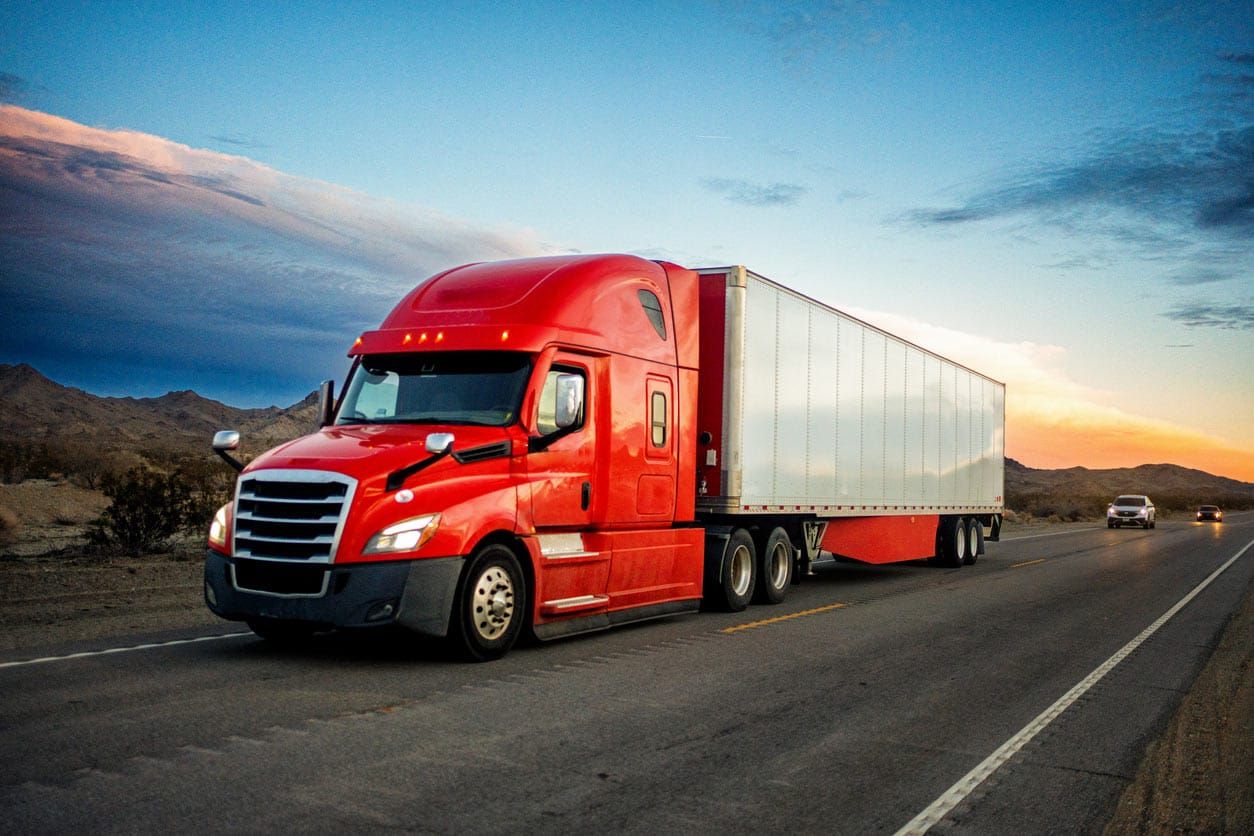
The trucking industry faces a critical shortage of qualified drivers, creating an excellent opportunity for entrepreneurs to start Commercial Driver’s License (CDL) training schools. With proper planning, funding, and execution, a CDL school can be both profitable and serve a vital community need. Here’s your comprehensive guide to getting started.
Understanding the CDL Training Market
Before diving into the business, it’s essential to understand the landscape. The Federal Motor Carrier Safety Administration (FMCSA) regulates CDL training through the Entry-Level Driver Training (ELDT) requirements, which became mandatory in February 2022. This means all CDL schools must be listed on the Training Provider Registry (TPR) to provide training for new drivers.
The demand for truck drivers continues to grow, with the American Trucking Associations estimating a shortage of over 80,000 drivers. This creates a strong market for quality CDL training programs.
Key Steps to Start Your CDL School
1. Develop Your Business Plan
Your business plan should include market analysis, target demographics, competition assessment, financial projections, and marketing strategies. Consider factors like local trucking companies, potential student demographics, and regional transportation needs.
2. Choose Your Business Structure and Location
Decide whether to operate as an LLC, corporation, or partnership. Location is crucial, you’ll need adequate space for classroom instruction, vehicle maintenance, and driving practice areas. Consider proximity to highways, industrial areas, and potential students.
3. Obtain Necessary Licenses and Permits
You’ll need various permits including business licenses, educational institution permits, and potentially zoning approvals. Each state has different requirements, so research your local regulations thoroughly.
4. Meet FMCSA Requirements
To be listed on the Training Provider Registry, your school must meet specific FMCSA standards including curriculum requirements, instructor qualifications, and facility standards. The curriculum must cover both theory and behind-the-wheel training as specified in the ELDT regulations.
5. Acquire Equipment and Facilities
You’ll need commercial vehicles for training, classroom space, and maintenance facilities. Consider starting with 2-3 training trucks and expanding as enrollment grows. Ensure vehicles meet current safety standards and are properly maintained.
6. Hire Qualified Instructors
Instructors must meet FMCSA qualifications, including having a valid CDL, clean driving record, and completing instructor training programs. Good instructors are crucial to your school’s success and reputation.
7. Develop Curriculum and Materials
Create comprehensive training materials covering both classroom theory and practical driving skills. Your curriculum must align with FMCSA requirements and prepare students for both written and road tests.
Required Study Materials and Curriculum Components
Creating comprehensive study materials is crucial for student success and FMCSA compliance. Your curriculum must meet the Entry-Level Driver Training (ELDT) standards, which specify both theory and behind-the-wheel instruction requirements.
Theory Instruction Materials
Basic Operation and Control
- Vehicle systems and controls (engine, transmission, brakes, steering)
- Pre-trip inspection procedures and checklists
- Basic vehicle control in restricted areas
- Operating procedures and safety protocols
- Vehicle maintenance and troubleshooting guides
Safe Operating Practices
- Federal Motor Carrier Safety Regulations (FMCSRs) handbook
- Hours of Service (HOS) regulations and electronic logging devices
- Driver wellness and fatigue management materials
- Hazard recognition and defensive driving techniques
- Emergency procedures and accident protocols
Advanced Operating Practices
- Night driving safety and techniques
- Extreme weather driving conditions
- Mountain and steep grade operations
- Hazardous materials basics (even for non-HazMat CDL)
- School bus and passenger vehicle operations (if applicable)
Vehicle Systems and Reporting Malfunctions
- Detailed vehicle component manuals
- Inspection report forms and procedures
- Maintenance scheduling and record-keeping
- Diagnostic procedures and troubleshooting guides
- Communication protocols with dispatchers and mechanics
Behind-the-Wheel Training Materials
Yard Skills Training Guides
- Straight line backing procedures
- Alley dock backing techniques
- Parallel parking (driver and blind side)
- Offset backing maneuvers
- Coupling and uncoupling procedures
- Pre-trip and post-trip inspection protocols
Public Road Driving Materials
- Urban driving strategies and challenges
- Rural road navigation and safety
- Interstate and highway driving protocols
- Intersection navigation and right-of-way rules
- Parking and loading dock procedures
- Railroad crossing safety procedures
Specialized Endorsement Materials
Passenger Endorsement (P)
- Loading and unloading procedures
- Passenger safety and emergency evacuation
- ADA compliance and wheelchair accessibility
- Dealing with disruptive passengers
- Route planning and scheduling
School Bus Endorsement (S)
- Student management and discipline
- Loading and unloading at schools
- Railroad crossing procedures specific to school buses
- Emergency evacuation procedures
- Parent and school communication protocols
Hazardous Materials Endorsement (HazMat)
- Hazardous materials classification system
- Shipping papers and placarding requirements
- Loading, segregation, and transportation rules
- Emergency response procedures
- Security awareness and threat recognition
Study Material Formats and Delivery Methods
Printed Materials
- Comprehensive textbooks covering all theory topics
- Quick reference guides and pocket handbooks
- Inspection checklists and forms
- Practice test booklets
- Illustrated manuals with diagrams and photos
Digital Learning Resources
- Online learning management system (LMS)
- Interactive computer-based training modules
- Video demonstrations of procedures and techniques
- Virtual reality driving simulators (if budget allows)
- Mobile apps for practice tests and reference
Visual Learning Aids
- Instructional videos for all major topics
- 3D models of vehicle systems and components
- Wall charts and posters for classroom display
- Slide presentations for instructor use
- Whiteboard diagrams and illustrations
Assessment Materials
- Practice tests that mirror actual CDL exams
- Skills evaluation checklists
- Progress tracking forms
- Competency verification documents
- Final examination materials
State-Specific Requirements
Local Traffic Laws and Regulations
- State-specific traffic laws that differ from federal regulations
- Local commercial vehicle restrictions and routes
- State inspection requirements and procedures
- Regional weather and terrain considerations
- State-specific CDL testing procedures
Documentation and Forms
- State CDL application forms and procedures
- Medical certification requirements
- Background check and security clearance forms
- Skills test scheduling and requirements
- License renewal and maintenance procedures
Creating Your Own Materials vs. Purchasing
Developing Custom Materials
Custom materials allow you to tailor content to your local market and teaching style. However, development requires significant time and expertise to ensure FMCSA compliance.
Purchasing Commercial Curricula
Several companies offer complete CDL training curricula that meet FMCSA requirements. These typically cost $5,000-$15,000 but save significant development time and ensure regulatory compliance.
Hybrid Approach
Many successful schools combine commercial materials with custom supplements that address local conditions, specific employer requirements, and unique student needs.
Material Updates and Maintenance
CDL regulations change frequently, so your materials must be regularly updated. Establish procedures for tracking regulatory changes, updating materials, and ensuring instructors use current versions. Consider digital materials that can be updated more easily than printed versions.
Quality Assurance for Study Materials
All materials should be reviewed by qualified instructors and tested with student groups before full implementation. Regular feedback collection helps identify areas for improvement and ensures materials effectively prepare students for success.
FMCSA Funding and Grant Opportunities
While the FMCSA doesn’t directly provide funding to start CDL schools, there are several federal and state programs that can help with funding:
Commercial Driver’s License Program Implementation (CDLPI) Grants
These grants are awarded to states to improve CDL testing and commercial motor vehicle safety. While not directly funding schools, these programs can create opportunities for partnerships with state agencies.
Motor Carrier Safety Assistance Program (MCSAP)
This program provides financial assistance to states for commercial vehicle safety programs. Schools can potentially partner with states receiving these funds for safety training initiatives.
Workforce Innovation and Opportunity Act (WIOA) Funding
Many CDL schools partner with local workforce development boards that receive WIOA funding. Students can use these funds to pay for training, creating a reliable revenue stream for schools.
State-Specific Grant Programs
Many states offer grants for workforce development and vocational training. Research your state’s economic development and workforce agencies for available programs.
Alternative Funding Sources
Small Business Administration (SBA) Loans
SBA loans are often the most accessible funding source for new CDL schools. The SBA offers various loan programs including 7(a) loans and microloans that can help with startup costs.
Equipment Financing
Specialized lenders offer financing specifically for commercial vehicle purchases. This can help you acquire training trucks without large upfront costs.
Private Investors and Partnerships
Consider partnerships with trucking companies or private investors interested in addressing the driver shortage. Some trucking companies will invest in training schools to ensure a pipeline of qualified drivers.
Revenue Sharing Agreements
Some schools partner with trucking companies on revenue-sharing models where the company helps fund the school in exchange for access to graduates.
Financial Considerations
Starting a CDL school typically requires $200,000 to $500,000 in initial investment, depending on scale and location. Major expenses include:
- Commercial training vehicles ($50,000-$150,000 each)
- Facility lease and improvements
- Insurance (significant cost due to commercial vehicles)
- Instructor salaries and benefits
- Curriculum development or purchase ($10,000-$25,000)
- Marketing and student recruitment
- Licensing and regulatory compliance
Revenue streams include tuition fees (typically $3,000-$8,000 per student), corporate training contracts, and potentially refresher courses for existing drivers.
Marketing and Student Recruitment
Successful CDL schools invest heavily in marketing and student recruitment. Strategies include partnerships with workforce development agencies, relationships with trucking companies for job placement, online marketing, and community outreach programs.
Ensuring Success
Focus on quality training that produces skilled, safe drivers. Maintain high pass rates on CDL exams, strong job placement rates, and positive relationships with local trucking companies. Regular communication with the FMCSA and state agencies helps ensure ongoing compliance.
Consider specializing in specific areas like hazmat training, passenger vehicle operation, or school bus driving to differentiate your school and command higher tuition rates.
Starting a CDL school requires significant planning, investment, and commitment to regulatory compliance. However, with the ongoing driver shortage and strong demand for quality training, a well-run CDL school can be both profitable and socially beneficial. Success depends on thorough preparation, adequate funding, quality instruction materials, and strong relationships with students, employers, and regulatory agencies.
The key is starting with a solid business plan, securing adequate funding through the various sources available, developing or acquiring comprehensive study materials that meet FMCSA standards, and maintaining unwavering focus on quality and safety in your training programs. With dedication and proper execution, your CDL school can become a valuable asset to both your community and the broader transportation industry.