Solving Problems Instead of Chasing Profits

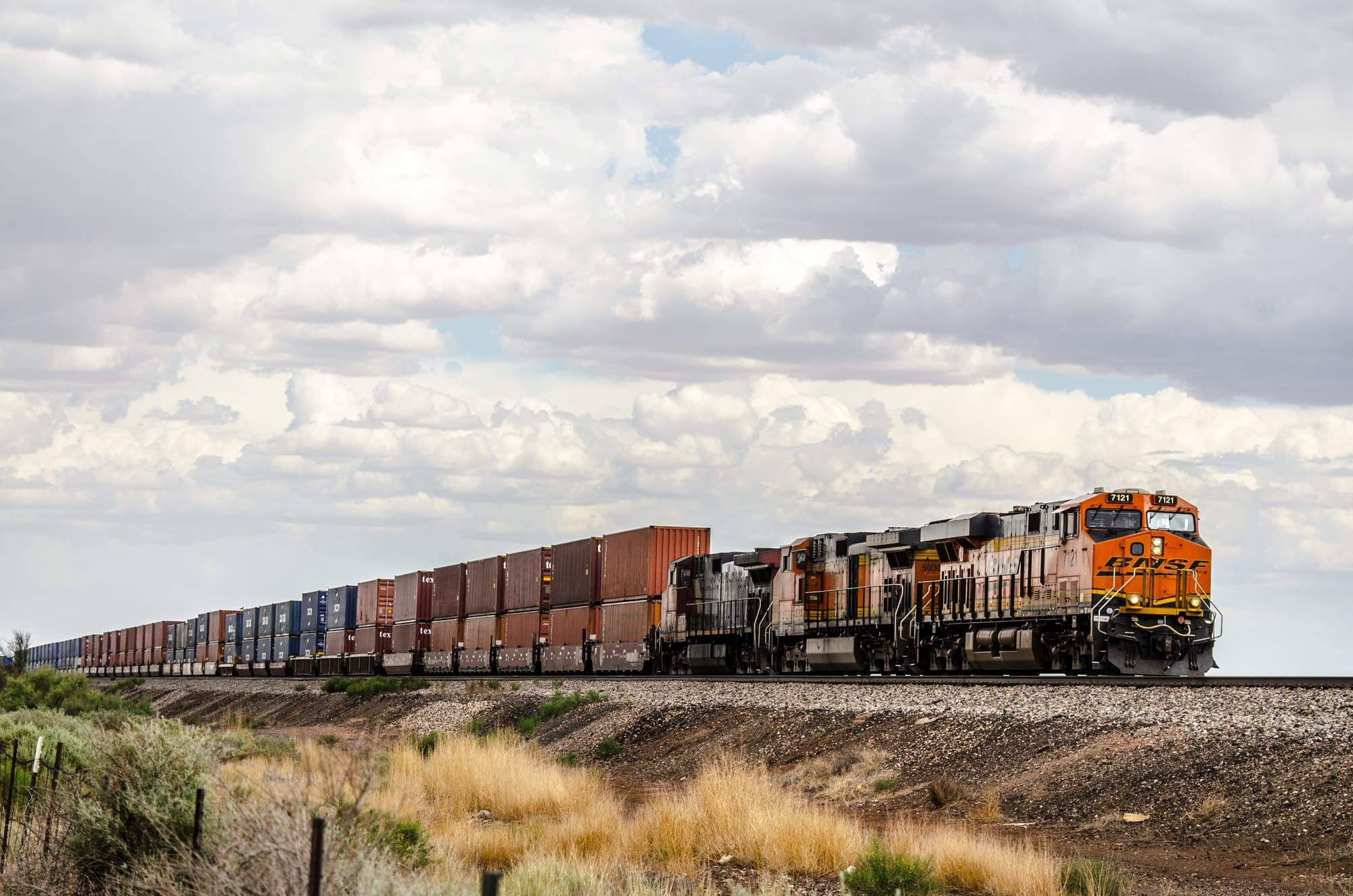
The operators who survive every freight cycle are not the ones who chased the highest rate. They are the ones who made themselves impossible to replace.
There is a version of the logistics business that runs entirely on the next load. Find the load, cover the load, book the margin, repeat. The rate is the whole strategy. When the market is loose, you shave a little to win the freight. When it tightens, you push rate as hard as it will go.
Profit is the scoreboard, and the scoreboard gets checked hourly.
That model works right up until it doesn't.
Chasing profit as the primary objective has one structural flaw: it makes you interchangeable. If the only thing you offer a shipper is a number, then the day another operator offers a lower number, you are gone. You did not build anything. You rented a customer by the load.
The problem is almost never price
Shippers do not lie awake worried about paying two percent more. They lie awake worried about the load that does not arrive, the driver nobody can reach, the appointment that gets missed, the claim that turns into a fight, the capacity that vanishes the week they need it most.
Those are the real problems. Price is just the thing everyone talks about because it is the easiest to measure.
The operators who compound are the ones who stopped asking "how do I make more on this load" and started asking "what is this shipper actually afraid of, and can I be the one who removes that fear every single time."
Profit is not the goal. Profit is the receipt you get for solving a problem well enough that the customer stops shopping.
Name the problem you can own
You cannot solve everything for everyone. The operators who win pick a specific problem and become the obvious answer to it. A short list of what shippers will actually pay a premium to make disappear:
Reliability. On time, in full, every time. Large shippers score you on it. Small shippers just remember whether you failed them.
Visibility and communication. Most operators go silent and only speak up when something breaks. The one who sends a proactive update before the shipper has to ask becomes the one they call first.
Capacity when it is scarce. Anyone can cover a load in a soft market. The operator who answers the phone during a crunch, and covers it, earns loyalty that outlasts the crunch.
Detention, dwell, and appointments. Every hour you save a shipper on the dock is money and headache you took off their plate.
Clean freight and clean paper. No damage, no claims fight, accurate BOLs and PODs, invoices that do not trigger an accounts-payable dispute. Boring, and worth a fortune.
Pick one. Get famous for it inside your lane.
Why this wins right now
For most of the last four years, the freight recession rewarded the cheapest number and punished everyone else. That market is over. Capacity has contracted through carrier exits and driver shortages, and spot rates have climbed above contract rates for the first time since 2021.
In that environment, the shipper's problem is no longer "who is cheapest." It is "who will still be standing, and reliable, when I need the truck." The operators who spent the lean years solving problems instead of racing to the bottom are exactly the ones holding pricing power today.
The market did not reward the hustlers. It rewarded the reliable.
Solve it with a system, not a hero
Here is where most operators lose the plot. They solve a problem once, brilliantly, through sheer effort, and then cannot repeat it. One heroic recovery does not build a business. A system does.
The difference between an operator who saved a load and an operator who solved a problem is repeatability. The first got lucky. The second built the check-call cadence, the tracking discipline, the preventive maintenance schedule, the exception playbook, and the documentation SOP that make the good outcome happen whether or not anyone is having a heroic day.
A problem you solve by hustle costs you your evenings. A problem you solve by system costs you once and pays you forever.
Build the boring infrastructure. Write down what a perfect load looks like from tender to POD. Find the three points where it usually breaks. Put a system on each one. That is the entire game.
The math that actually compounds
Watch what happens when the problem-first operator and the profit-first operator run side by side for a few years.
The problem-first operator solves a real problem, which earns retention, which produces predictable revenue, which funds investment in better systems, which makes them even more reliable, which earns more retention. It is a flywheel. Reputation travels fast in a small industry, and the referrals arrive without a sales pitch.
The profit-first operator wins on price, loses on price, churns the customer, and starts the hunt over. Every quarter begins at zero.
Same market. Same trucks. Completely different business.
Pricing power is not something you demand. It is something you earn by being the operator a shipper cannot afford to lose.
What to do this quarter
You do not fix this with a mindset. You fix it with a decision and three moves.
- Pick the one problem you will own. Reliability, communication, a hard lane, a difficult commodity, whatever your shippers actually fear. One.
- Build one system around it. Not five. One repeatable process that makes that problem disappear on every load, on your worst day, without you in the room.
- Stop quoting price first. When a shipper calls, lead with the problem you solve, not the rate you charge. Let price be the receipt, not the pitch.
Chasing profit asks the market to hand you margin. Solving problems builds a business the market cannot take away.
The operators still standing after the next cycle will not be the ones who chased the highest rate. They will be the ones who made themselves impossible to replace.