Is Your NAICS Code Blocking Your Funding? A Guide for Candle Makers and Logistics Owner-Operators

If you're running a candle business or operating as a logistics owner-operator, you've probably encountered the six-digit NAICS code when applying for loans, contracts, or business licenses. Many entrepreneurs choose these codes quickly without realizing they're making a decision that could dramatically impact their access to funding, grants, and business opportunities.
Your North American Industry Classification System (NAICS) code isn't just a number, it's the key that unlocks (or locks) funding doors. For candle businesses and logistics owner-operators, choosing the right code can mean the difference between thriving and struggling to access the capital you need.
Your NAICS code determines:
- Which SBA loan programs you can access
- Your eligibility for government contracts
- Industry-specific grants and incentives
- How lenders assess your risk profile
- Whether you qualify as a "small business" for various programs
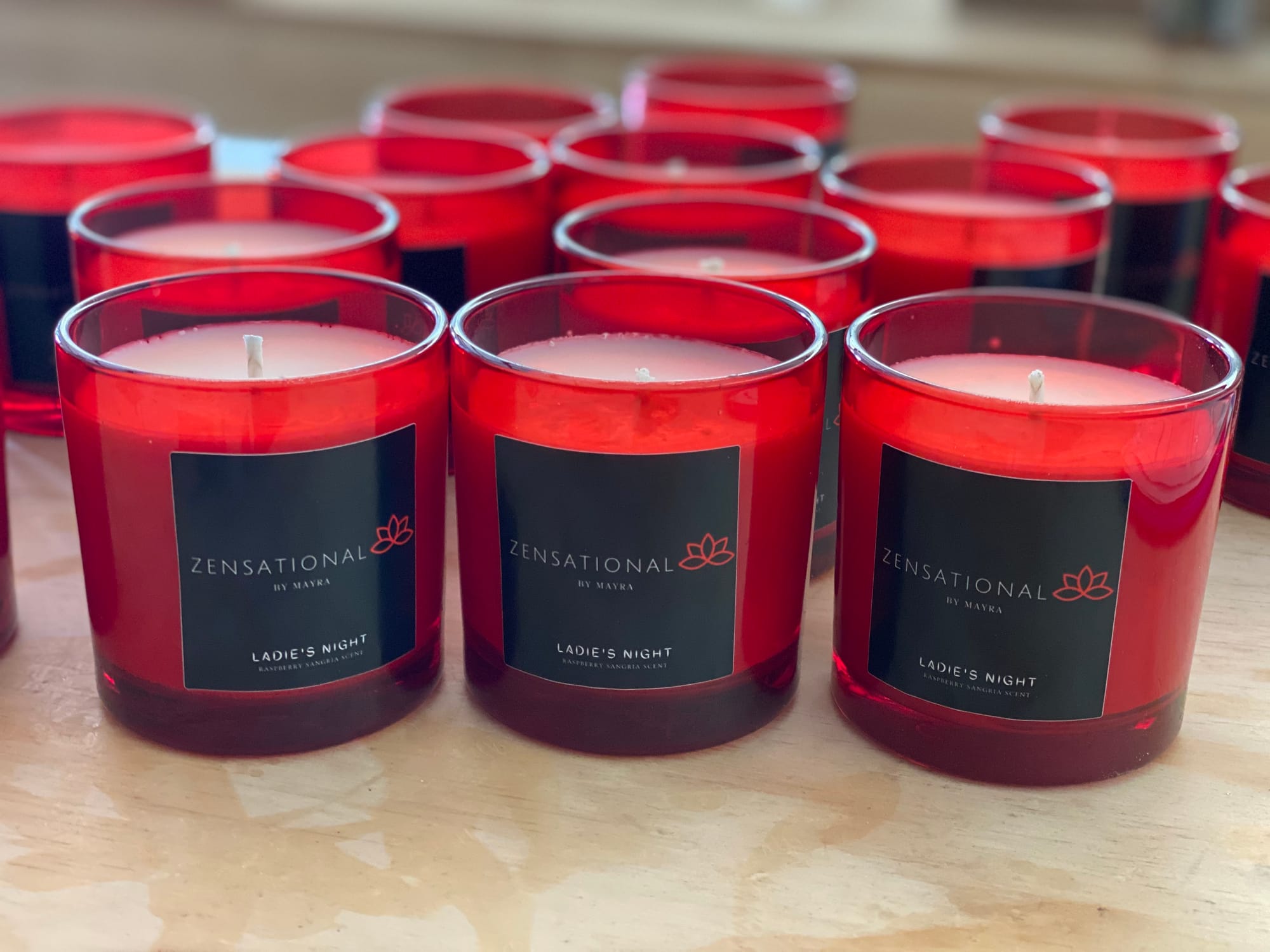
NAICS codes for CANDLE BUSINESSES
Candle businesses have several NAICS code options, each with different implications for funding and opportunities.
Primary Options for Candle Makers
339999 - All Other Miscellaneous Manufacturing
- Best for: Traditional candle manufacturers who make candles from raw materials
- SBA size standard: 500 employees or less
- Pros: Qualifies for manufacturing incentives and grants; broader category allows flexibility
- Cons: Very general classification; may not capture specialized aspects of your business
- Ideal if: You're primarily manufacturing candles at scale
325998 - All Other Miscellaneous Chemical Product and Preparation Manufacturing
- Best for: Pure candle manufacturers who make candles as their primary product
- SBA size standard: 750 employees or less
- Pros: Most direct and accurate code for stand-alone candle manufacturing; higher employee threshold than 339999; still qualifies for manufacturing incentives
- Cons: More specific than 339999, which could limit flexibility for diversification
- Ideal if: Candles are your primary or sole manufacturing focus
325620 - Toilet Preparation Manufacturing At first glance, the name doesn't sound like a fit for candles, which is why many candle makers overlook it. But here's what it actually covers:
What It Includes:
- Perfumes and colognes
- Creams and lotions
- Lipsticks and makeup products
- Shaving preparations
- Hair tonics and shampoos
- Deodorants
Why It Sometimes Gets Used for Candles: Some candle makers classify under 325620 when their products emphasize fragrance and overlap with cosmetics, body care, or aromatherapy. For example:
- If your business makes candles plus body care (lotions, bath bombs, oils), 325620 can be used to unify the product line
- Certain grants or contracts for "personal care and fragrance products" fall under this NAICS, and candles can sneak in because they are seen as part of the fragrance industry
- Larger candle companies that brand themselves as "home fragrance and personal fragrance" sometimes register under 325620 instead of (or alongside)
325998: All Other Miscellaneous Chemical Product and Preparation Manufacturing, which is the most direct code for stand-alone candles
- SBA size standard: 750 employees or less
- Pros: Stronger alignment with fragrance and wellness industries, which can open up additional funding or contracts; may position your business closer to the cosmetics and personal care sector, which has big overlap with luxury and retail buyers
- Cons: If you only make candles, it can look like a mismatch on paperwork; some government or corporate buyers may not see candles as fitting under 325620, so you risk being flagged as "miscoded"
- Ideal if: Your business model is candles + body care + fragrance goods. If you're strictly candles, 325998 is the safer, more accurate choice. Some candle manufacturers list both codes so they cover themselves for contracts, funding, and certifications
453998 - All Other Miscellaneous Store Retailers (Except Tobacco Stores)
- Best for: Candle businesses that primarily sell directly to consumers
- SBA size standard: $8 million in average annual receipts
- Pros: Good for retail-focused candle businesses; higher revenue threshold than manufacturing
- Cons: Won't qualify for manufacturing-specific opportunities
- Ideal if: Most of your revenue comes from direct sales rather than wholesale manufacturing
454110 - Electronic Shopping and Mail-Order Houses
- Best for: Online-focused candle retailers
- SBA size standard: $32.5 million in average annual receipts
- Pros: Very high revenue threshold; aligns with e-commerce growth trends
- Cons: May not capture artisanal/manufacturing aspects
- Ideal if: You're primarily an online candle retailer
Strategic Considerations for Candle Businesses
If you're just starting: Consider 325998 (Chemical Product Manufacturing) for pure candle focus, or 339999 (Miscellaneous Manufacturing) for maximum flexibility.
If you're scaling up: 325620 (Toilet Preparation Manufacturing) offers the highest employee threshold and works well if you're expanding into body care products alongside candles.
If you make candles + other products: 325620 can unify a product line that includes candles, lotions, bath products, or other fragrance items.
If you're primarily retail: Choose between 453998 (General Retail) and 454110 (E-commerce) based on your sales channels.
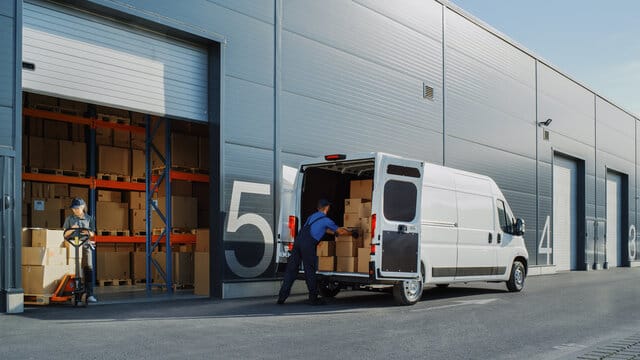
NAICS Codes for LOGISTICS
Owner-operators in logistics have fewer code options, but the choice is critical for accessing transportation-specific funding and contracts.
Primary Options for Logistics Owner-Operators
484110 - General Freight Trucking, Local
- Best for: Owner-operators primarily serving local or regional routes
- SBA size standard: $16.5 million in average annual receipts
- Pros: Qualifies for local transportation contracts; good revenue threshold
- Cons: May limit eligibility for long-haul opportunities
- Ideal if: Your routes are primarily within a local geographic area
484121 - General Freight Trucking, Long-Distance, Truckload
- Best for: Owner-operators handling full truckload shipments over long distances
- SBA size standard: $16.5 million in average annual receipts
- Pros: Aligns with high-value long-haul contracts; clear specialization
- Cons: May exclude LTL or local opportunities
- Ideal if: You specialize in long-distance, full truckload shipping
484122 - General Freight Trucking, Long-Distance, Less Than Truckload
- Best for: Owner-operators handling LTL shipments
- SBA size standard: $16.5 million in average annual receipts
- Pros: Growing market segment; specialized classification
- Cons: More complex operations; may not fit simple owner-operator models
- Ideal if: You regularly handle partial loads and complex routing
484230 - Specialized Freight (except Used Goods) Trucking, Long-Distance
- Best for: Owner-operators with specialized equipment (refrigerated, hazmat, oversized, etc.)
- SBA size standard: $16.5 million in average annual receipts
- Pros: Higher rates; specialized market; less competition
- Cons: Requires specialized equipment and certifications
- Ideal if: You have specialized equipment or handle specialized cargo
Strategic Considerations for Owner-Operators
Consider your primary freight type: If 80% of your loads are specialized (refrigerated, hazmat, etc.), code 484230 opens doors to specialized contracts and potentially better rates.
Think about geographic scope: Local vs. long-distance classification affects which contracts you're eligible for. Choose based on where most of your revenue comes from.
Plan for growth: If you're planning to add trucks or drivers, ensure your code accommodates that growth within SBA size standards.
Red Flags: Is Your Current Code Holding You Back?
For Candle Businesses:
- You're classified as "Other" or "Miscellaneous" when you could be more specific
- You're missing out on manufacturing incentives despite making your own products
- Your size standards seem inappropriate for your business type
- Grant opportunities always seem to be for "manufacturing" but you're classified as retail
For Owner-Operators:
- You're classified under general "Transportation" instead of trucking-specific codes
- You're missing specialized freight opportunities despite having the right equipment
- Your geographic classification doesn't match your actual operating area
- You're excluded from transportation-specific SBA programs
Making the Strategic Choice
For Candle Makers:
- Assess your primary revenue source: Manufacturing vs. retail sales
- Consider your growth plans: Will you expand into wholesale or stay direct-to-consumer?
- Evaluate your product positioning: Are you emphasizing wellness/aromatherapy benefits?
- Research available grants: Manufacturing vs. retail vs. small business grants in your area
For Owner-Operators:
- Analyze your freight mix: What percentage is local vs. long-distance? Specialized vs. general freight?
- Review your target contracts: Government contracts often specify exact NAICS codes
- Consider equipment investments: Specialized codes may justify equipment financing
- Plan for expansion: Will you stay single-truck or grow your fleet?
Taking Action: Your Next Steps
Immediate Actions:
- Look up your current NAICS code and verify it matches your primary business activity
- Research the SBA size standards for your current code—do they make sense?
- Check recent funding opportunities you've missed—were NAICS codes a factor?
For Candle Businesses:
- If you manufacture: Consider 339999 or 325620 based on your market positioning
- If you primarily sell: Choose between retail (453998) or e-commerce (454110) codes
- Document your reasoning for the change with revenue breakdowns
For Owner-Operators:
- Match your code to your actual freight type and geographic scope
- If you handle specialized freight 50%+ of the time, consider 484230
- Ensure your code aligns with the contracts you want to pursue
Before Making Changes:
- Consult with your accountant about tax implications
- Update your SAM registration if you pursue government contracts
- Notify lenders and insurers of any changes
- Keep documentation supporting your classification choice
Your NAICS code is working behind the scenes every day, influencing every funding decision and contract opportunity your business encounters. For candle makers, the choice between manufacturing and retail classifications can open entirely different funding pathways. For owner-operators, the difference between local, long-distance, and specialized codes can determine which contracts you're eligible to pursue.
Don't let a hastily chosen six-digit number limit your business's potential. Take the time to choose strategically, and make sure your NAICS code is opening doors, not closing them. The right code won't guarantee funding, but the wrong one can guarantee you'll never even get the chance to apply.