How To Start a Courier Business

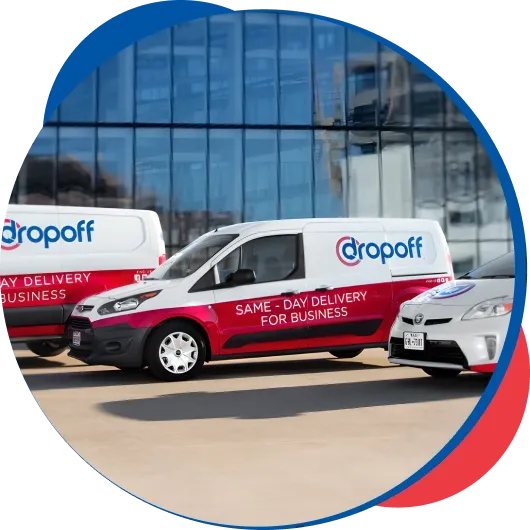
The courier industry is booming, thanks to the rise of e-commerce, medical deliveries, and businesses needing same-day and final-mile service. Whether you're operating a single cargo van or planning to scale a fleet, starting a courier business can be a profitable and flexible venture.
Here’s a comprehensive guide to help you get started:
Step 1: Decide What Type of Courier Services You’ll Offer
Courier businesses can serve a wide range of industries. Consider what niche you want to focus on:
- Medical courier services (lab specimens, sterile trays, prescriptions)
- Legal and document delivery
- Retail and e-commerce same-day delivery
- Final mile logistics for larger carriers (Amazon, UPS, etc.)
- B2B deliveries (flowers, office supplies, payroll checks, etc.)
Knowing your niche will help determine the type of vehicle, insurance, and licensing you need.
Step 2: Choose the Right Business Structure
Register your business officially:
- Sole Proprietorship, LLC, or Corporation
- Register a DBA if operating under a trade name
- Obtain an EIN from the IRS
- File with your Secretary of State
An LLC is a popular option for liability protection and flexibility.
Step 3: Set Up Your Operating Authority
Depending on your services and whether you’ll cross state lines, you may need:
- USDOT Number – Required if operating a commercial vehicle across state lines or carrying hazardous materials
- MC Number – If transporting freight across state lines as a for-hire carrier
- Local business licenses and permits
If you’re staying local and only transporting documents or small packages, you may not need DOT or MC authority.
Step 4: Get Commercial Insurance
Courier insurance typically includes:
- Auto liability and physical damage
- Cargo insurance
- General liability
- Worker’s comp (if hiring drivers)
Talk to a commercial insurance broker who understands courier services.
Step 5: Get the Right Vehicle(s)
Choose a vehicle based on your niche:
- Sedan – great for small local deliveries
- Cargo van or sprinter – ideal for bulk and medical courier work
- Box truck – for larger contracts or palletized freight
Make sure it’s well-maintained, fuel-efficient, and insured.
Step 6: Build Out Your Operations
Set up the infrastructure to run your business smoothly:
- Delivery management software (Route4Me, Onfleet, Circuit)
- Invoicing & bookkeeping tools (QuickBooks, Wave, or Zoho)
- Apps for load boards (FRAYT, Roadie, Curri, OneRail for local work)
- Driver vetting and background checks (if hiring 1099s)
Create SOPs for pickup, delivery, proof of delivery (POD), and customer communication.
Step 7: Start Marketing Your Services
- Build a website with booking and contact info
- Create social media accounts and showcase real deliveries
- Network with local businesses
- Join Google Business Profile for local SEO
- Get listed on delivery marketplaces like Thumbtack or TaskRabbit (if relevant)
Build relationships with freight forwarders, medical suppliers, and local vendors for recurring business.
Step 8: Focus on Customer Service and Reliability
What sets great courier companies apart is dependability. Be:
- On-time, every time
- Communicative with dispatch and customers
- Professional in appearance and conduct
- Transparent with pricing and service terms
Bonus Tips
- Consider getting TSA certification to handle airport deliveries.
- Join industry associations like the Customized Logistics & Delivery Association (CLDA).
- Track your mileage and expenses for tax savings.
Starting a courier business doesn’t require a huge upfront investment—but it does require planning, reliability, and hustle. Whether you're making local deliveries or scaling into nationwide logistics, this is a business you can grow at your own pace.
If you need more in depth assistance, we offer an ebook on our site!