How to Build a Community Around Your Candle Brand
Most candle founders start with the product, but the brands that last win because a group of people decided the brand was theirs. Here's the strategy for building that community on purpose, and why it beats marketing every time.

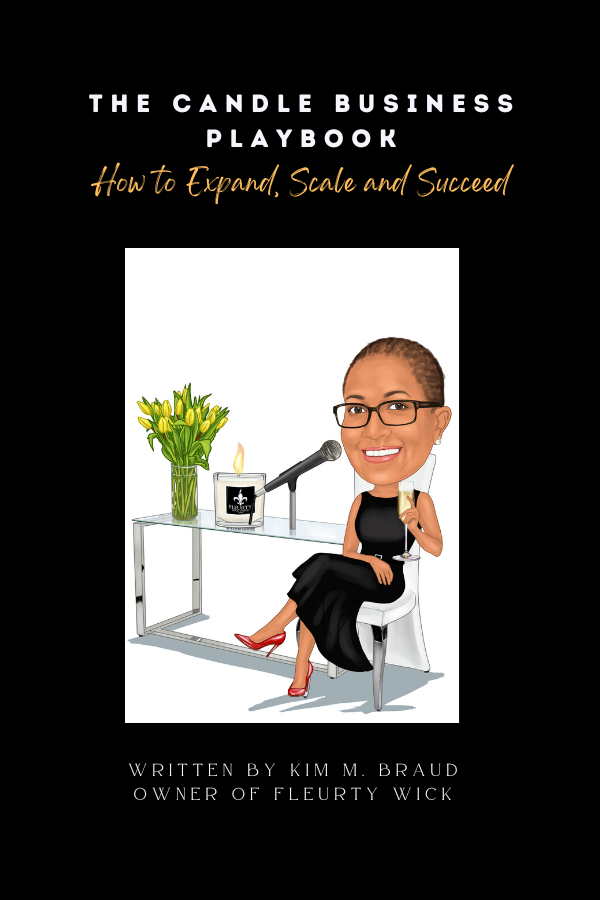
Most candle founders start with the product. The right wax, the perfect fragrance load, a clean burn, a label that looks good on a shelf. All of that matters. But the brands that survive their second and third year rarely win on product alone. They win because a group of people decided the brand was theirs.
That is the real asset. Not the candle. The community around it.
Here is why that matters, and how to build one on purpose.
Why Community Beats Marketing for Candle Brands
Candles are an emotional, sensory, repeat-purchase product. That combination is unusual, and it is exactly what makes community so powerful in this category.
Think about the mechanics of your business. A customer who loves a scent will burn through it and need another. A candle is one of the easiest gifts to give, which means every happy customer is a potential referral engine. And scent is tied to memory and mood in a way almost nothing else is, so people form genuine attachments to the products they keep in their homes.
Paid ads can get you a first sale. They cannot manufacture that attachment. Community is what turns a one-time buyer into someone who reorders, gifts your candles to five friends, and tells you what to make next. When you build community, you are lowering your customer acquisition cost, raising lifetime value, and building a moat that competitors with bigger ad budgets cannot simply outspend.
So the strategic question is not "should I build a community." It is "what kind of community am I building, and for whom."
Start With Who You Are For
You cannot build a community around "people who like candles." That is a category, not a community. Communities form around shared identity, values, or rituals.
Before anything else, get specific about the person at the center of your brand. Are you making candles for people creating calm in a chaotic season of life? For hosts who care about how their home feels to guests? For customers who want scents rooted in a specific place, culture, or memory? For people who want their spending to support a certain kind of maker or mission?
The narrower and more honest your answer, the stronger the pull. A well-defined "who" gives people a reason to belong rather than just a reason to buy. It also makes every later decision easier, because you have a clear filter for what fits and what does not.
Give the Brand a Story People Can Repeat
Community spreads through stories, and the story has to be simple enough to pass from one person to the next without you in the room.
Your origin matters here, but so does the meaning behind your scents. A candle called "Cedar and Smoke" is a product. A candle that carries the memory of a grandfather's workshop, or a specific street, or a season you are trying to bottle, is something a customer will describe to a friend. When you name and frame your products around real stories, you hand your customers language they can use to talk about you.
Decide what your brand actually stands for and say it plainly and often. People do not rally around vague pleasantness. They rally around a point of view.
Build the Ritual, Not Just the Product
The strongest candle communities are organized around a shared practice, not a shared purchase.
Lighting a candle is already a ritual for most people. It marks the start of a workday, the end of one, a bath, a dinner, a quiet Sunday. Your job is to notice the ritual your customers already have and give it a name and a home. Encourage people to show how and when they burn your candles. Ask what they pair with a certain scent. Turn the private moment into something people share.
When customers see the brand as part of a routine they value, repurchasing stops feeling like a transaction and starts feeling like restocking something essential.
Choose the Rooms Where Your Community Will Live
A community needs a place to gather. You do not need all of these, and you should not try to run all of them at once. Pick the two or three that fit your customer and your capacity, then go deep.
Owned channels come first, because you control them and no algorithm can take them away. An email list and an SMS list are the backbone of most candle brands. Treat them as a conversation, not a coupon dispenser. Share the story behind a new pour, ask for input, give early access. These lists are where your most loyal people should feel closest to you.
Social platforms are for reach and texture. Instagram and TikTok reward the visual and the behind-the-scenes: the pour, the workshop, the mess, the process. Pinterest works well for the home and gifting context. The goal on social is not to broadcast product shots. It is to show a world people want to be part of.
In-person moments are the accelerant. Markets, pop-ups, and candle-pouring workshops turn followers into a real community faster than anything online, because people who meet you and each other in person form a bond that a feed cannot replicate. If you can only do one thing this quarter, a hands-on event with a small group of your best customers will teach you more and bind them tighter than months of posting.
Let the Community Co-Create
Here is where most brands leave value on the table. A community is not just an audience you talk to. It is a group you can build with.
Ask your people to help name a scent. Let them vote on the next seasonal release. Run small batches and invite your list to shape them. When customers help decide what you make, two things happen. The product is better because it reflects real demand, and the people who voted feel ownership, which turns them into advocates who want the launch to succeed.
Feature your customers. Reshare how they style your candles, tell their stories, and thank them by name. Recognition is one of the cheapest and most powerful tools you have, and it signals to everyone else that this is a brand where members are seen.
Give Loyalty a Structure
Once you have people who keep coming back, give that loyalty a shape.
A candle club or subscription creates a recurring reason to belong and smooths out your revenue. A membership or early-access tier makes your best customers feel like insiders. A simple referral system rewards the word of mouth that is already happening. None of these have to be complicated. What matters is that your most devoted customers have a clear next step beyond the single purchase, and a reason to stay close.
Measure Whether the Community Is Actually Healthy
Follower counts are the least useful number you track. Community health shows up in different signals.
Watch your repeat purchase rate and how it changes over time. Track how many customers come from referrals. Look at how many people open and reply to your emails, show up to events, or respond when you ask for input. Notice whether customers are talking to each other, not just to you. Those are the numbers that tell you a community is forming rather than just a list of names growing.
The Long Game
Building community is slower than buying attention, and that is the point. Anyone can rent an audience for as long as the budget lasts. A community stays because the people in it decided the brand belongs to them.
Start with a clear sense of who you are for. Give them a story worth repeating and a ritual worth keeping. Show up consistently in a few places, build with them instead of just selling to them, and reward the people who carry you. Do that patiently, and you will have something far more durable than a product line. You will have a group of people who want you to succeed.
Kim M. Braud is a strategist, writer, and founder working in the areas of economic power, cultural narrative, and community leadership. With expansive experience across financial services, entrepreneurship, and nonprofit leadership, her writing explores who controls systems, who benefits from them, and who gets left out. Her work centers on economic mobility, institutional accountability, and the stories we inherit, and the ones we choose to dismantle.
© 2026 Evans Cutchmore. All rights reserve