Forklift Hit Your Van? Here's What to Do When Loading Goes Wrong

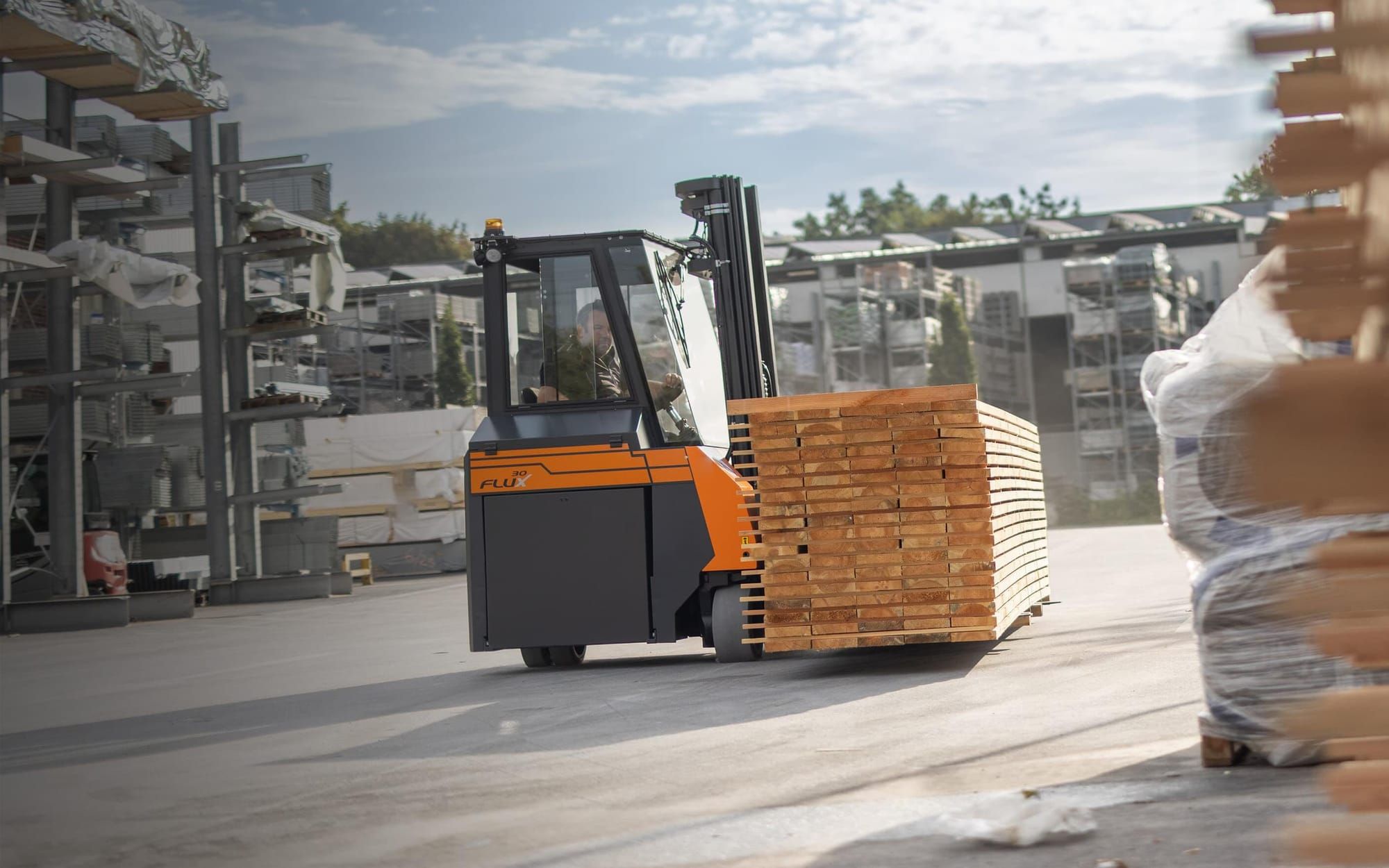
Just had my worst nightmare happen at a loading dock today – a forklift operator managed to damage both my bumper and roof while loading cargo. If you're reading this because something similar happened to you, take a deep breath. I've been through this process, and I'm here to walk you through exactly what you need to do to protect yourself and get your van repaired without paying out of pocket.
The Immediate Response: Document Everything
When the accident happened, my first instinct was panic. But here's what I learned you absolutely MUST do in those first crucial minutes:
1. Get an Official Damage Report
This is your most important piece of evidence. Don't let anyone convince you it's "just a small scratch" or that you can "work it out later." Insist on getting an official incident report from the facility. This should include:
- Date, time, and location of the incident
- Names of all parties involved (forklift operator, supervisor, witnesses)
- Description of what happened
- Documentation of the damage
- Signatures from facility management
2. Take Extensive Photos
Your smartphone is your best friend here. Take photos of:
- All damage to your van from multiple angles
- The forklift that caused the damage
- The loading area where it happened
- Any relevant signage or safety equipment
- The facility's contact information and business license (usually posted somewhere visible)
3. Get Witness Information
If other drivers, dock workers, or facility staff witnessed the incident, get their contact information. Their testimony could be valuable if there are any disputes later.
Who's Actually Responsible?
This is where things can get tricky, but understanding liability is crucial:
Facility-Employed Operators
If the forklift operator works directly for the loading facility, their company's commercial general liability insurance should cover your damages. This is the most straightforward scenario.
Independent Contractors
Some facilities use independent forklift operators. In this case, the contractor should have their own liability insurance. However, the facility may still bear some responsibility depending on their oversight and safety protocols.
Your Own Coverage
While you shouldn't have to use it, your commercial auto insurance can be a backup option. You might pay your deductible upfront, but your insurance company will pursue the responsible party for reimbursement (called subrogation).
The Claims Process: Step by Step
Step 1: Contact the Responsible Party
Don't wait. Contact the facility's management immediately and request their insurance information. Be professional but firm – you need:
- Insurance company name and policy number
- Contact information for their claims department
- A copy of the incident report for your records
Step 2: Get Repair Estimates
Visit at least two reputable body shops that specialize in commercial vehicles. Van repairs can be more complex than they appear, especially roof damage which might affect structural integrity or create leak issues.
Pro tip: Don't accept the first estimate you get. Roof damage in particular can hide problems that only become apparent during repair.
Step 3: File the Insurance Claim
When you call their insurance company:
- Have your damage report and photos ready
- Be factual about what happened
- Don't admit any fault (even if you think you could have positioned your van differently)
- Get a claim number and the adjuster's contact information
Step 4: Stay on Top of the Process
Insurance companies sometimes hope claims will go away if they delay long enough. Don't let that happen:
- Follow up weekly if you don't hear back
- Keep detailed records of all communications
- Don't accept lowball settlement offers without getting multiple repair estimates
Red Flags to Avoid
The Quick Cash Offer
If facility management immediately offers you cash to "make this go away," be very cautious. What looks like minor damage could cost thousands to repair properly, especially on commercial vehicles.
Pressure to Use Their "Guy"
Some facilities will insist you use their preferred repair shop. You have the right to choose where your vehicle gets repaired. Their preferred shop might prioritize keeping costs low over quality repairs.
Delaying Tactics
"Our insurance is looking into it" shouldn't drag on for weeks. If you're getting the runaround, it might be time to involve your own insurance company or consult with an attorney.
When Things Go Sideways
Sometimes, despite your best efforts, the responsible party's insurance won't cooperate. Here are your options:
Use Your Own Insurance
File a claim with your own commercial auto insurer. You'll likely pay your deductible upfront, but they'll handle pursuing the other party. This gets your van fixed quickly and transfers the headache to professionals who deal with this every day.
Small Claims Court
For smaller damages (usually under $5,000-$10,000 depending on your state), small claims court can be an option if insurance claims fail.
Legal Action
For significant damages or if you're dealing with lost income due to van downtime, consulting with an attorney might be worthwhile.
Prevention for Next Time
While we can't control other people's mistakes, there are some steps that might help prevent future incidents:
- Park defensively – even if it's less convenient, try to position your van where it's less likely to be hit
- Stay alert during loading operations and speak up if you see unsafe practices
- Know your rights – you're not required to accept unsafe loading conditions
- Consider dash cams – front and rear cameras can provide valuable evidence
Getting your van damaged during loading operations is stressful and frustrating, but you shouldn't have to pay for someone else's mistake. The key is acting quickly, documenting everything, and being persistent with the claims process.
Remember: that damage report is gold. Photos are your evidence. And don't let anyone pressure you into accepting responsibility for an accident that wasn't your fault.
Has this happened to you? How did you handle it? Share your experience in the comments, we can all learn from each other's situations.