5 Beginner Mistakes That Waste Money
The wax you waste in your first year costs more than any course you could take. Before you scale, launch, or price your first collection, read this - because these five mistakes are quiet budget-killers that most chandlers only recognize in hindsight.

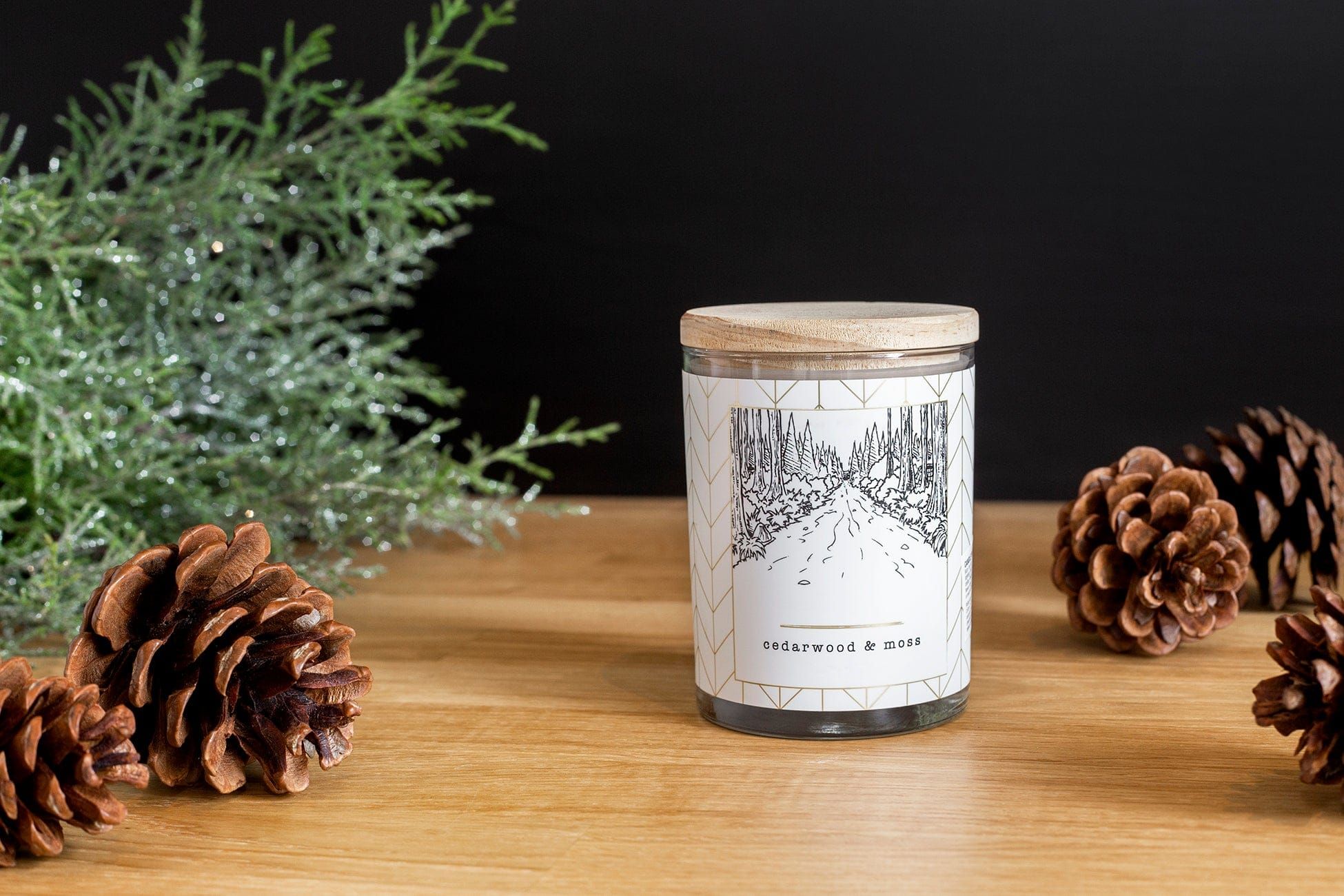
Common pitfalls in early candle making - and how to avoid every one of them. I've been in the candle business long enough to know this truth: the wax you waste in your first year costs more than any course you could take. I've made these mistakes myself. Let's make sure you don't have to.
MISTAKE 01
Skipping the test batch - and pouring big right away
You found a beautiful fragrance, your vessels are gorgeous, and you're ready to pour 50 candles for your launch. Stop. The single most expensive thing a new chandler does is scale before testing. Fragrance throw, adhesion, sinkholes, and cure time all behave differently depending on your specific wax, wick, vessel, and environment. A 5-pound pour gone wrong is an afternoon. A 50-pound pour gone wrong is a budget.
|
|
THE FIX Always pour
in batches of 3-6 candles to test one variable at a time. Keep a dedicated
test log: wax type, temperature at pour, fragrance load percentage, wick
size, and cure date. Don't trust your memory - trust your notes. Burn your
test candles for at least 4 hours across multiple sessions before you scale. |
|
PRO
TIP Cure time matters more than most beginners think. Soy
wax, in particular, needs 48–72 hours minimum before a true burn test. What
smells weak at 24 hours may be perfectly fragrant at 72. |
MISTAKE 02
Using too much - or too little - fragrance oil
Fragrance oil is one of your biggest costs per unit, so it's tempting to go light. But under-loading produces candles with almost no scent throw - the #1 customer complaint. On the other hand, over-loading can cause fragrance to pool on top, seep through the wax, or even create a safety issue. Both directions cost you money and reputation.
|
|
THE FIX Always check
your wax manufacturer's maximum fragrance load - typically 6–10% for soy, up
to 12% for paraffin blends. Work within that range and test at the midpoint
first. Measure by weight on a kitchen scale, never by volume. A standard
starting point: 1 oz of fragrance oil per 1 lb of wax (6.25%). |
|
PRO
TIP "Fragrance load" is not the same as
"scent throw." Your pouring temperature, cure time, and wick size
all affect how much scent the finished candle releases. Don't chase scent by
adding more fragrance oil until you've tested all the other variables first. |
MISTAKE 03
Winging the wick - and ignoring the science
Wicking is where most beginner money goes to waste. Too small a wick and you get tunneling - wax clings to the sides while a hole burns down the center. Too large and you get a mushrooming wick, excessive soot, and a fire risk. The "right" wick isn't universal: it depends on your vessel diameter, wax type, fragrance load, and even colorants.
Many new chandlers buy one wick type, use it across all their products, and wonder why results are inconsistent. Wick selection is a science, not a guess.
|
|
THE FIX Use a wick
guide from your wax or supplier as a starting point, then test
systematically. Record your vessel diameter and test at least 3 wick sizes
per vessel/wax combination. Perform a full burn test: light, burn for 3–4
hours, extinguish, and evaluate the melt pool (it should reach the edges
within 2–3 hours without overflowing). Repeat for 3 burn sessions before
deciding. |
|
PRO
TIP Always test wicks in pairs or triplicate - small batch
variance is real. A wick that performed perfectly once may behave differently
if your room temperature or humidity changes. |
MISTAKE 04
Buying supplies in small quantities to "save money"
This one feels counterintuitive, but buying 2 lbs of wax at a time will cost you far more per pound than buying 20. Early-stage chandlers often buy in small quantities to minimize risk - but if you've already tested and committed to a formula, small-batch buying is quietly eating your margins.
Shipping costs compound the problem. Ordering 3 lbs of wax and 2 oz of fragrance oil five times costs dramatically more in shipping than one well-planned bulk order. Before your first launch, calculate your actual cost-per-candle at small vs. medium vs. bulk quantities. The difference is often shocking.
|
|
THE FIX Once you've
locked in a tested formula, buy in bulk for your core materials: wax,
fragrance oils you know you'll reorder, and wicks. Compare supplier pricing
at 5 lb, 10 lb, and 25 lb tiers. Factor in shipping to find your real
break-even. Don't bulk-buy anything you haven't already tested and confirmed. |
|
PRO
TIP Join a chandler's co-op or buying group if you're not
ready for large minimums. Sharing a bulk wax order with other small makers
can cut your per-pound cost significantly while keeping your cash flow
manageable. |
MISTAKE 05
Underpricing - and calling it a "starting strategy"
This is the mistake that shuts down the most small candle businesses. New makers underprice their products to attract first customers, telling themselves they'll raise prices later. But customers anchor to your launch price, your brand positions at that tier, and raising prices feels impossible. Meanwhile, every candle you sell at a loss or break-even trains the market to devalue your work.
Proper candle pricing accounts for materials, labor, packaging, overhead, platform fees, shipping materials, and a profit margin - not just wax and fragrance.
|
|
THE FIX Price using
the full-cost method from day one. Add up every cost: wax, fragrance, wick,
vessel, label, box, tissue, ribbon, tags, your time (price it at minimum
$15–20/hr), platform fees, and a portion of overhead. Multiply by 2.5–3x for
retail. If your candle costs $8 to produce, it should retail at $20–24
minimum. If that feels high for your market, reduce costs - don't reduce the
margin. |
|
PRO
TIP Test your pricing in a premium market before assuming
it won't land. Customers in craft markets, boutiques, and online often expect
— and respect — higher price points when your branding, packaging, and story
are aligned. |
Candle making is a craft and a business - and both deserve your full attention. The mistakes above aren't signs that you're doing it wrong. They're the tuition most chandlers pay before they find their rhythm. The difference between makers who scale and those who burn out is almost always systems: testing protocols, pricing spreadsheets, supplier relationships, and the discipline to validate before you invest.
Questions about your candle-making journey? Drop them in the comments or reach out directly.